
 Academic Mastery
How to Use NCERT Books Without Getting Lost
A simple way to turn NCERT chapters into a weekly study plan for science, definitions, diagrams, and board-style answers.
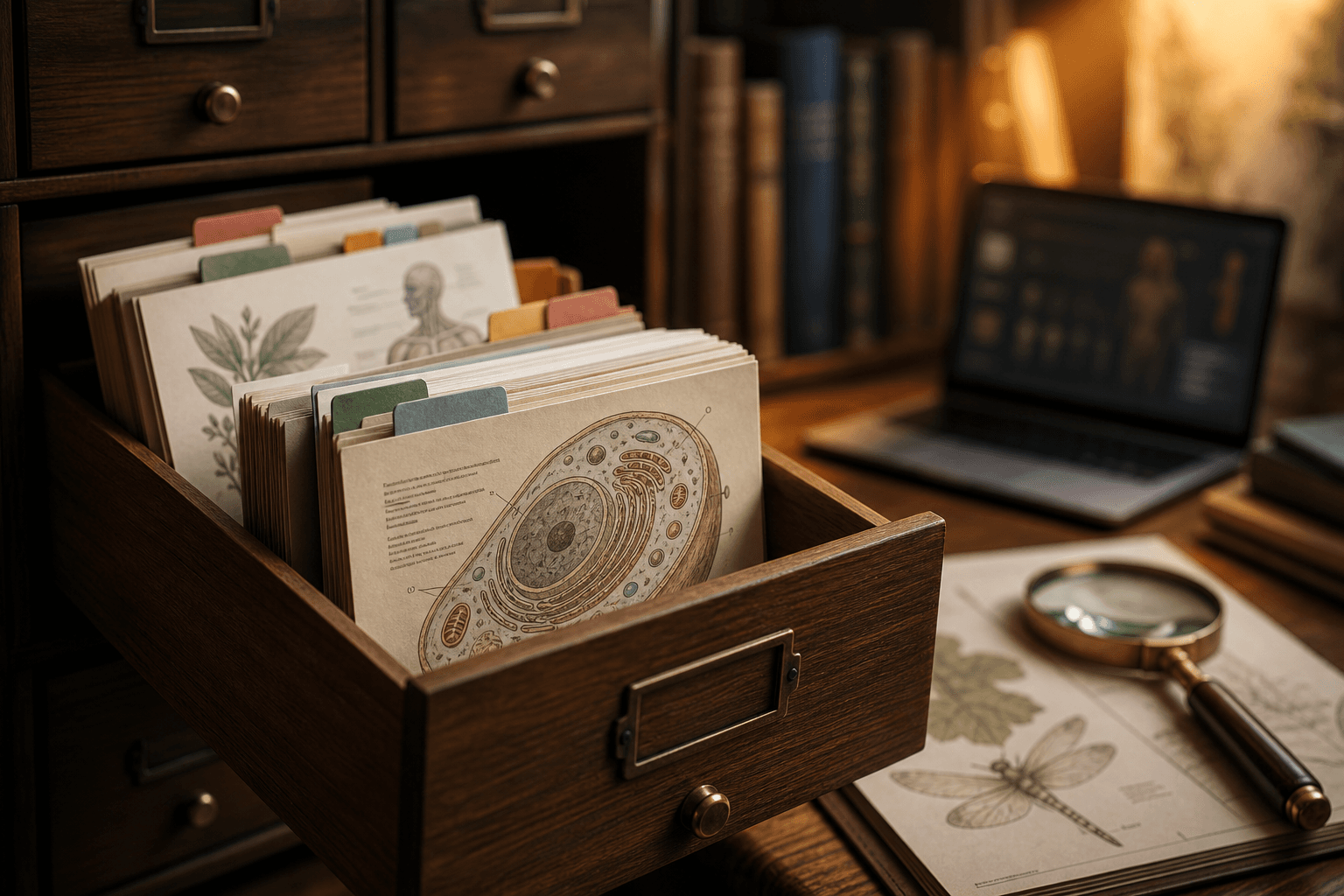
NCERT books are the safest starting point for CBSE science because they define the language examiners expect. The problem is that many students read them passively, highlight too much, and still do not know what to write in an answer.
Use NCERT like a working document, not a storybook.
Start with the chapter map
Before reading the chapter, scan the headings and write a rough map. For biology, list the process, diagram, definitions, and application points. For physics, list the formula families and question types. For chemistry, list reactions, exceptions, and short explanations.
This makes the chapter smaller before you begin.
Convert paragraphs into questions
After each section, write two questions:
- What can the examiner ask directly?
- What can the examiner twist into an application question?
For example, do not only write "photosynthesis definition." Add "What happens if light intensity changes?" This is how textbook reading becomes exam preparation.
Keep diagrams beside definitions
NCERT explanations and diagrams should not be revised separately. Draw the diagram, label it, then write the two-line explanation below it. This helps students connect visual memory with written marks.
Use one extra source only after NCERT
LearnCBSE and Vedantu can help when a student needs another explanation or quick textbook access, but the base should still be NCERT. Extra resources work best after the textbook has been read once.
Ritika's tutoring note
If a student says "I read the chapter but I cannot answer questions," the fix is not more reading. The fix is conversion: headings into questions, diagrams into explanations, and examples into board-style answers.
Ready to put this into practice?
Book a free intro session. No pressure, just a calm conversation about your goals.
Book a free sessionRelated reading

The ICSE Class 10 Practice Stack
A clean order for using ICSE syllabus pages, specimen papers, competency questions, prelim papers, and MCQs without getting overwhelmed.
How to Choose the Right Study Resource
A simple decision guide for choosing between textbooks, notes, MCQs, specimen papers, prelim papers, and practice tests.