
 Global Fluency
A Daily Spoken English Routine That Actually Works
Use common expressions, listening drills, and short speaking practice to build fluency without waiting for perfect grammar.
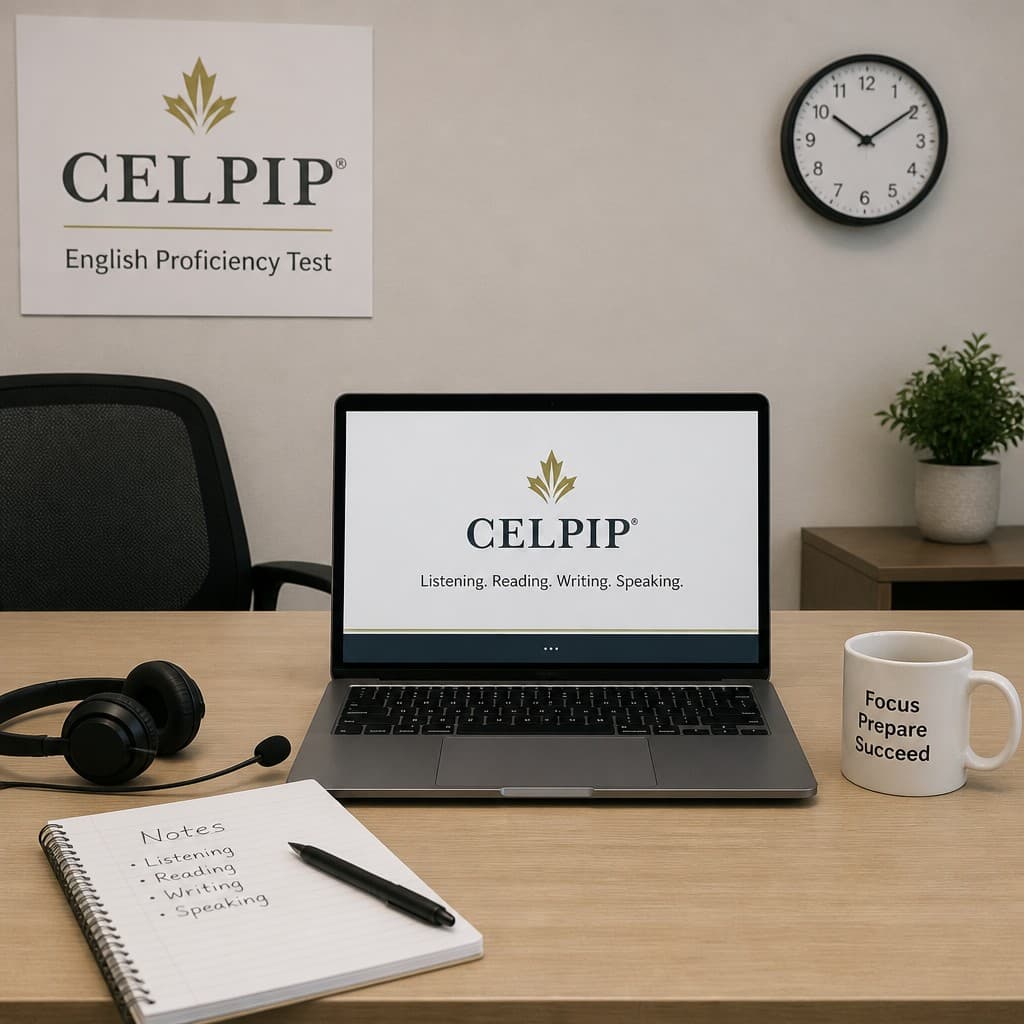
Spoken English improves when students practise small, real sentences every day. Long grammar sessions can help, but fluency needs repetition, listening, and the confidence to speak before everything feels perfect.
TalkEnglish is useful because it focuses on common expressions, daily conversation, listening, grammar basics, idioms, business English, and interview practice.
Ten minutes of listening
Start with simple listening. Do not translate every word. Listen for the situation: greeting, asking for help, giving an opinion, answering a question, or explaining a problem.
Repeat the same audio twice. The second listen is where confidence grows.
Ten minutes of speaking
Pick five sentences from the lesson and say them aloud. Then change one word in each sentence to make it your own.
Example: "I need help with this report" can become "I need help with this chapter."
Five minutes of repair
Write down one sentence that felt awkward. Fix it with a teacher, tutor, or reliable resource. Do not collect 40 mistakes. Repair one or two daily.
Add interview practice once a week
If the student is preparing for school interviews, jobs, or CELPIP, practise short answers with a beginning, reason, and example. Structure matters more than fancy vocabulary.
Ritika's tutoring note
Fluency is built through use. A student who speaks five imperfect sentences daily will usually improve faster than a student who waits to speak until grammar feels perfect.
Ready to put this into practice?
Book a free intro session. No pressure, just a calm conversation about your goals.
Book a free sessionRelated reading
How to Use Free CELPIP Practice Tests Properly
A calmer way to use official CELPIP free practice tests for timing, module confidence, and score-focused revision.

How to Use NCERT Books Without Getting Lost
A simple way to turn NCERT chapters into a weekly study plan for science, definitions, diagrams, and board-style answers.